FR-One's commitment to sustainability in the textiles industry
Organisations and individuals across all sections of our society are searching for concrete actions they can take towards sustainable business practices. However, environmental sustainability in the textiles industry is a complicated topic with no quick or easy solutions.
This is why at FR-One and in our wider group, we focus first on what we can control.
Download our sustainability statement
Which sustainability metrics can we influence as a textiles company?
- The distance traveled by our textile products and personnel.
- The environmental footprint of our packaging.
- The sustainability practices of our fabric suppliers.
- Implementing digital fabric sampling to reduce textile waste.
- The overall environmental impact of our textiles manufacturing and shipping processes.
By leveraging data and reimagining our operations, we transformed these metrics into our own ambitious goals. We identified what needed improvement, how to achieve it, and where to focus our efforts.
But this is just the beginning.
Starting at the right point is the best way to begin.
The textiles industry requires more than just these actions to drive impactful change. We are strategically shaping FR-One’s vision and advancing our sustainability initiatives in line with the UN Sustainable Development Goals (SDGs) and the relevant targets within this framework.
Which Sustainable Development Goals are most relevant?
The Sustainable Development Goals (SDGs), also known as the Global Goals, consist of 17 interconnected objectives aimed at creating a better and more sustainable future for everyone. FR-One’s objectives have been centred on 5 key Sustainable Development Goals that lie in our core spheres of influence:
SDG 8: Decent Work and Economic Growth
SDG 12: Responsible Production and Consumption
SDG 13: Take Climate Action
SDG 16: Traceability and Transparency of our Textiles
SDG 17: Partnerships

SDG 8: DECENT WORK AND ECONOMIC GROWTH
At FR-One we believe in the enrichment of our employees and that understanding our collective impact is key to our sustainability strategy.
SDG 12: RESPONSIBLE PRODUCTON & CONSUMPTION
The development of FR-One’s digital offering through Twinbru is one of our core sustainable innovation directives. We see a future where the textiles sampling process can be replaced, even ‘mostly’, by digital platforms, which will reduce the carbon footprint of the entire textiles industry.
SDG 13: TAKE CLIMATE ACTION
We want to share our continued sustainability journey, the lessons we have learnt (and will continue to learn!), provide insights regarding the impact of our products, and keep you informed about our ESG progress.
You need to understand your existing impact before deciding on what sustainability improvement steps to take: we hope that sharing our journey with you will help you in yours.
SDG 16: TRACEABILITY & TRANSPARENCY OF OUR TEXTILES
Our eco standards are critical of the promise our suppliers make to us, and the promise that we then extend to our customers. We understand the role that regulation and certification plays when considering textile products and textile production.
SDG 17: PARTNERSHIPS
The most important aspect of any sustainability journey is that of partnership. It’s very clear that our individual actions affect the collective. It’s our relationships to each other and our environment that are so important when we talk about making our company more sustainable.
No action, or reaction, is ever performed in a vacuum. We cannot act in isolation and be successful. We need our suppliers, customers, employees, communities, and organisations to share knowledge and work together.
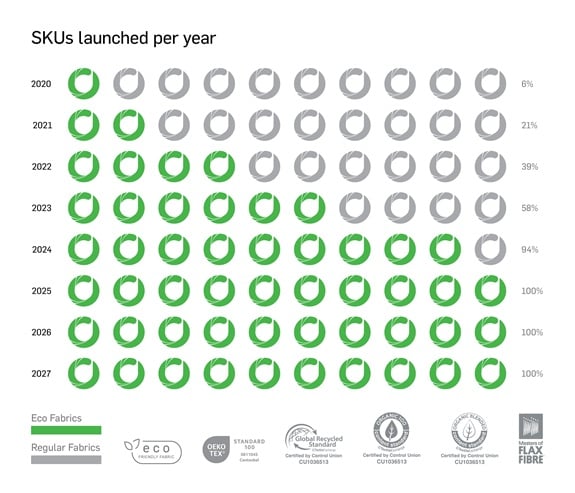
Our key achievements
In taking climate action
- In 2026, our new distribution centre in the UAE will be completed to ensure efficient transportation to customers in Asia, the Middle East, Australia, New Zealand, and Africa.
- 91% of our Bru Team vehicles are electric and will be 100% electric by 2027. Employees are also supported with Bru bicycles.
- In 2025, Bru's Scope 2 emissions reached zero tCO2e, which is a 100% reduction versus our 2021 base year reading. This was achieved by self-consumption from solar panels and transitioning to a 100% renewable electricity contract (Luminus contract 2025-2026).
In responsible production and consumption
- We have achieved Environmental Product Declarations (EPDs) for a selection of bestselling qualities, representing approximately 10% of comparable products. These provide transparent, quantified environmental impact data in line with recognised methodologies. In collaboration with our mills, we continue to explore opportunities to expand coverage over time.
- Together with our suppliers, we are gradually moving towards OEKO-TEX® STeP certification. This is an independent certification system for sustainable textile and leather production, ensuring environmentally friendly processes and socially responsible working conditions.
- In 2025, Bru Textiles became Masters of Flax FibreTM certified. This certification ensures integrated crop management practices and highlights the unique expertise of European fibre producers. Certified flax of European origin, from field to fibre.
Read more about our sustainable insights:
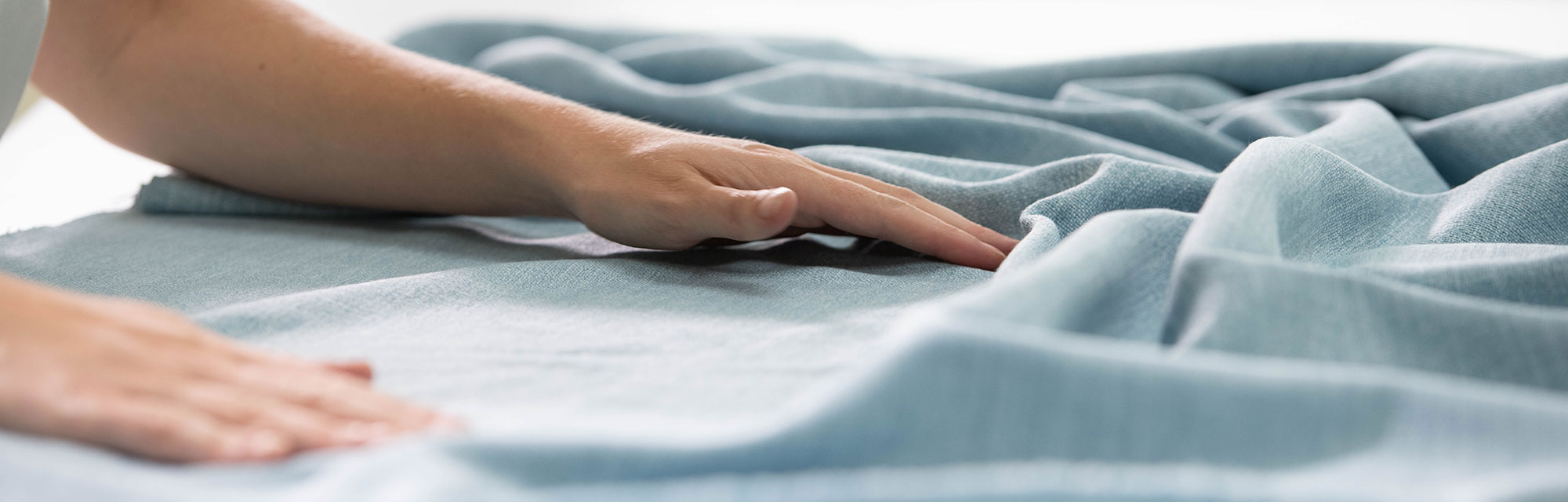
Tangible product sustainability actions from FR-One

Monitoring chemical use: What is REACH and why does it matter?
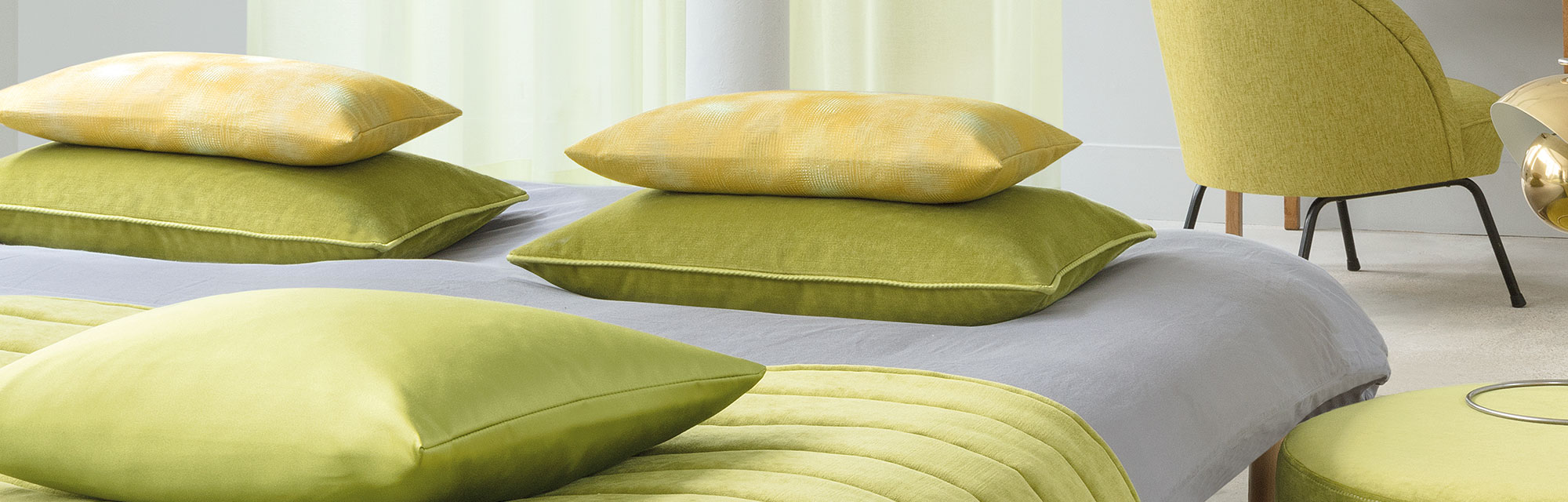
2 strategies that power FR-One fabrics' dynamic growth
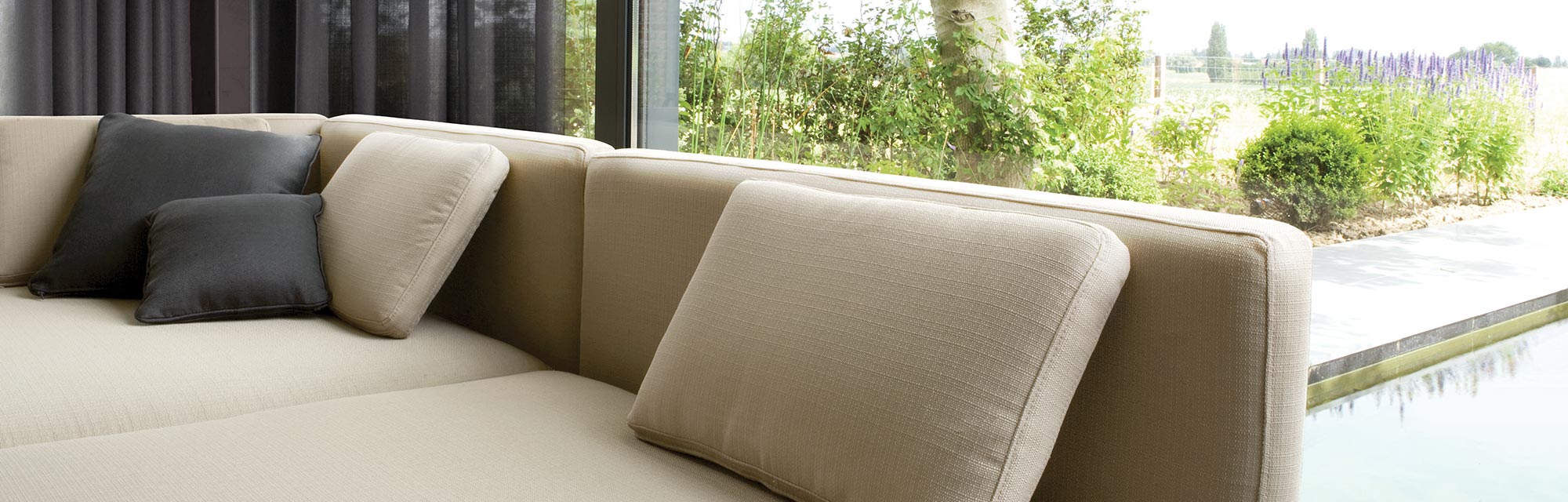
Sustainable design is our responsibility
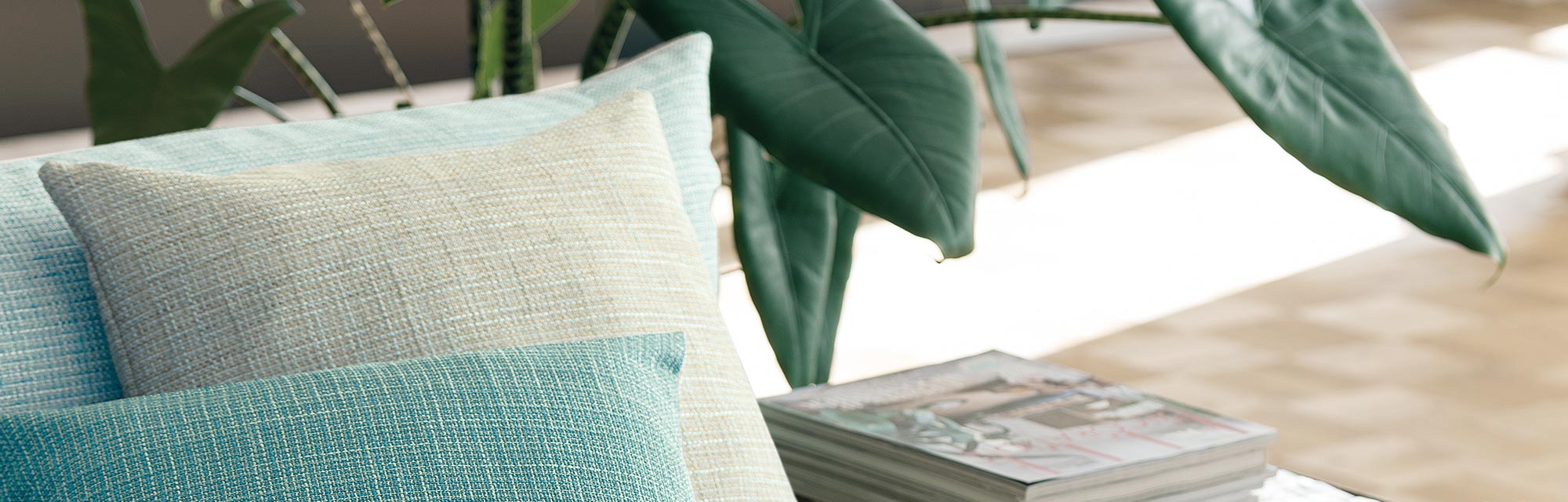
Proactivity is the key to developing sustainable contract textiles
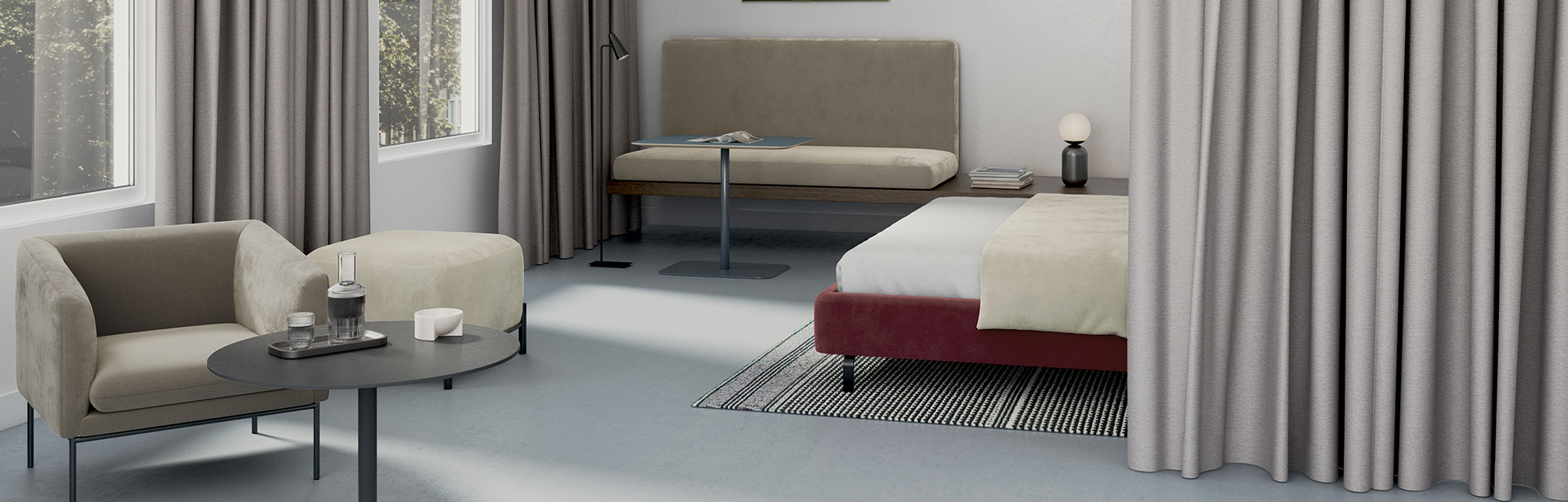
Quality over quantity: our minimalist approach to design
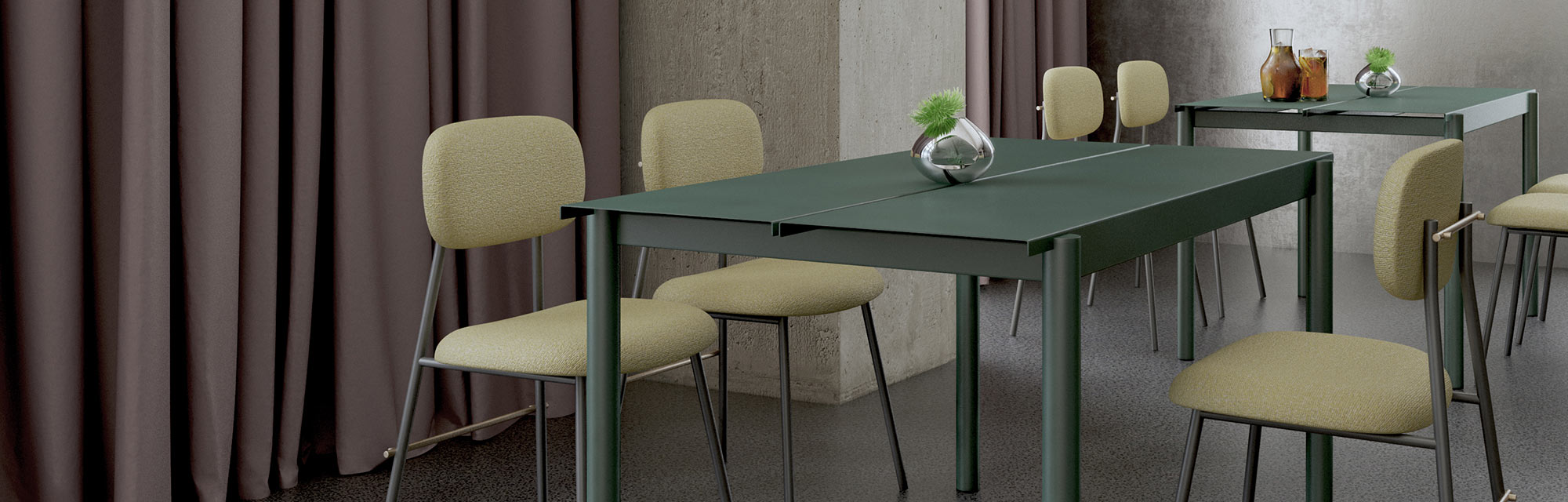
Why are sustainable textiles important?
Contact us today for even more granular information about our sustainability initiatives in the textiles industry.
Download our sustainability STATEMENT